

The commercial heat treatment sector is standing on the precipice of a major transformation. New industry data suggests that over the next decade, the demand for outsourced thermal processing will skyrocket, driven by the insatiable needs of the aerospace and automotive giants.
While defining the exact boundaries of the market has always been a challenge for analysts, the trajectory is undeniable. SECO/WARWICK reports that the value of global heat treatment services is projected to leap from USD 3.17 billion in 2025 to USD 7.04 billion by 2035. This represents a steady annual growth rate of 8.3 percent—a clear signal that service providers need to prepare for a surge in volume.
The Drivers: Complexity and Durability
Why this sudden acceleration? The answer lies in the changing nature of manufacturing. Modern industries are no longer satisfied with standard metal properties. Whether it’s for next-gen jet engines or electric vehicle powertrains, manufacturers require materials that offer extreme strength and thermal stability.
To achieve these parameters, commercial plants must deploy a mix of technologies. While vacuum solutions are gaining ground, high-performance Atmosphere Furnaces remain a critical staple in the production chain. These versatile systems allow service centers to handle a massive variety of components—from basic pipes and levers to complex transmission gears and battery coolers—ensuring they can say “yes” to virtually any client request.
From Startup to Powerhouse: The Blueprint for Success
The growth of a commercial heat treater often depends on their ability to scale technology alongside their client base. SECO/WARWICK has been instrumental in this process for partners worldwide.
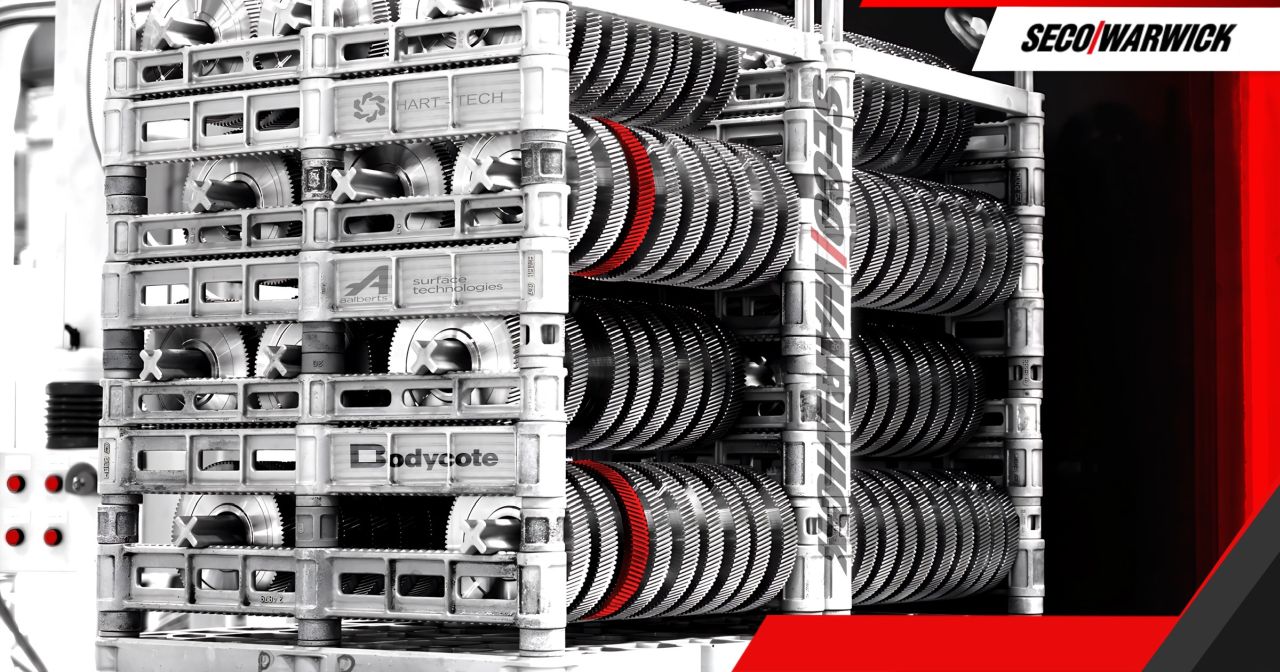
A prime example of this evolution is HART-TECH.
- The Beginning (2010): The partnership launched with the purchase of a single retort furnace for nitriding.
- The Expansion: As customer demands grew, so did the facility. They integrated CaseMaster Evolution multi-chamber vacuum lines.
- The Result: By adopting Low-Pressure Carburizing (LPC) with oil and gas quenching, HART-TECH could offer specialized services to the tooling industry, minimizing component distortion. Later investments in Vector vacuum furnaces further expanded their versatility.
This journey—from a single unit to a comprehensive, high-tech machine park—illustrates how the right equipment partner can turn a local operation into a market leader.
Efficiency Meets Ecology
The expansion of the market is not just about producing more; it is about producing better.
“We can see how vacuum technologies like the CaseMaster Evolution and Vector are transforming the face of modern heat treatment plants,” says Sławomir Woźniak, CEO of SECO/WARWICK Group. “These systems offer greater efficiency and quality, which is crucial for demanding sectors like aerospace. But beyond the economics, these investments pay off environmentally. Sustainability is one of the most important challenges for the industry today, and our solutions allow partners to meet both their financial and ecological goals.”
As the market heads toward the $7 billion mark, the commercial heat treaters who invest in flexible, eco-friendly, and advanced technology will be the ones who capture the lion’s share of this growth.